

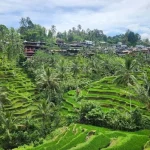
Terrace in Ubud – Have you ever wondered what makes the rice terraces in Ubud a must-visit destination for travelers worldwide? Nestled in the heart of Bali, these iconic landscapes offer more than just stunning views—they’re a testament to centuries-old traditions and natural beauty. The Tegalalang Rice Terrace, in particular, has become synonymous with Ubud’s charm, drawing photographers, nature lovers, and cultural enthusiasts alike.
Ubud, often hailed as Bali’s cultural capital, is surrounded by lush greenery, and its rice terraces are a highlight of the region. These cascading fields, shaped by the ancient Subak irrigation system, create a mesmerizing patchwork of emerald hues. Whether you’re seeking Instagram-worthy shots or a deeper connection with Balinese heritage, the rice terraces in Ubud promise an unforgettable experience.
In this guide, we’ll dive into everything you need to know about visiting the rice terraces in Ubud. From their unique attractions to practical tips for planning your trip, we’ve got you covered. Let’s explore why these terraces are a bucket-list destination and how you can make the most of your visit.
Exploring the Rice Terraces in Ubud: A Complete Travel Guide
Why Visit the Rice Terraces in Ubud?
A Glimpse into Balinese Culture
The rice terraces in Ubud, particularly Tegalalang, are more than just a pretty sight. They’re a UNESCO World Heritage Site, recognized for the Subak system—a traditional Balinese cooperative irrigation method dating back to the 8th century. This system reflects the Balinese philosophy of Tri Hita Karana, emphasizing harmony between humans, nature, and the divine. Visiting the terraces offers a chance to witness local farmers at work and learn about their sustainable practices.
Stunning Natural Beauty
The terraces’ tiered landscapes, framed by swaying palm trees and lush jungle, create a postcard-perfect scene. The vibrant green paddies, especially vivid in March, April, September, and October, are a photographer’s dream. Whether viewed from above or explored up close, the rice terraces in Ubud captivate with their serene beauty, especially during sunrise when golden light filters through the trees.
Less Crowded Alternatives
While Tegalalang is the most famous, other rice terraces like Campuhan Ridge Walk and Penestanan offer quieter, equally stunning views. These hidden gems provide a peaceful escape from the tourist crowds, making them ideal for those seeking a more intimate experience with Ubud’s natural landscapes.
Activities to Enjoy at the Rice Terraces in Ubud
Trekking and Hiking
Exploring the rice terraces on foot is a must. Tegalalang features public trails that wind through the paddies, offering close-up views of the terraces and small waterfalls. The Penestanan Rice Field Walk, a 1.5-km paved trail, is perfect for beginners, while Campuhan Ridge Walk leads to scenic rice fields at its end. Wear sturdy shoes, as paths can be slippery, especially after rain.
Photography
The rice terraces in Ubud are a haven for photographers. Sunrise is the best time for soft, golden light, particularly at Tegalalang, where you can capture the terraces’ intricate patterns. Drone photography is popular here, but ensure you have the proper permits. For iconic shots, visit the “Love Bali” sign or try the famous Bali swings for a unique perspective.
Bali Swings and Adventure
For thrill-seekers, Tegalalang offers jungle swings that soar above the terraces, providing breathtaking views and Instagram-worthy moments. Some locations also feature sky bikes or zip lines. Be prepared to pay extra (around IDR 100,000–150,000) and negotiate prices for swings or dress rentals for those classic flowing-dress photos.
Cultural Immersion
Join a guided tour to learn about the Subak system and Balinese farming techniques. Some tours include visits to nearby villages or temples, offering deeper insights into local life. You might even catch cultural events like the Ngerebeg procession, held every 210 days, if your timing aligns.
Available Facilities
Cafes and Restaurants
Tegalalang’s main road is lined with cafes and warungs offering stunning terrace views. Enjoy affordable Indonesian dishes like nasi goreng or sate ayam with peanut sauce, though prices may be slightly higher due to the touristy location. Favorites include Tis Café and local warungs serving refreshing drinks like lemon iced tea.
Souvenir Shops
Small stalls sell handmade crafts, sarongs, and farmer hats. Higher vantage points at Tegalalang feature local artisans selling souvenirs made from harvested crops, supporting the community.
Parking and Restrooms
Parking is available near Tegalalang for a small fee (around IDR 5,000–10,000). Basic restrooms are present at some cafes, but facilities in the terraces themselves are limited, so plan accordingly.
How to Reach the Rice Terraces in Ubud
From Ubud Center
Tegalalang is just a 20-minute drive (9–10 km) north of Ubud. Renting a scooter (IDR 80,000–100,000/day) is a popular option for independent travelers, but ensure you’re comfortable navigating Bali’s traffic. Alternatively, hire a private car with a driver (IDR 200,000–300,000 round trip) or use apps like Grab or Gojek for convenience.
From Other Areas
From Canggu, expect a 1-hour drive, while Denpasar is about 1 hour 15 minutes away. For those staying further south, like Kuta or Seminyak, the trip takes around 1.5 hours. Joining a guided tour from these areas often includes transportation and stops at other Ubud attractions like Monkey Forest or Tegenungan Waterfall.
Costs and Entrance Fees
Entrance Fees
Tegalalang has no formal entrance fee, but local farmers may request donations (IDR 10,000–25,000) to pass through their fields. Some entry points, like Uma Ceking, charge up to IDR 50,000. Always carry small bills, as change may be limited.
Additional Costs
- Parking: IDR 5,000–10,000
- Swings or Zip Lines: IDR 100,000–150,000
- Food and Drinks: IDR 40,000–80,000 for meals at cafes
- Guided Tours: IDR 300,000–600,000, depending on inclusions
Budget Tips
Visit early (before 6:30 AM) to avoid donation requests, as locals may not yet be present. Skip overpriced swings if you’re on a tight budget, and opt for warungs over upscale cafes for affordable meals.
What to Prepare Before Visiting
Clothing and Footwear
Wear lightweight, breathable clothing and comfortable, non-slip shoes for trekking. A hat or umbrella is useful for sun protection, as terraces offer little shade. Bring a light jacket if visiting at sunrise, as mornings can be cool.
Essentials
Pack water and snacks, as facilities in the terraces are scarce. Sunscreen and insect repellent are crucial due to Bali’s heat and potential bugs. A small amount of cash (IDR 50,000–100,000) covers donations, parking, and small purchases.
Weather Considerations
The dry season (May–October) offers safer trekking conditions, while the wet season (November–April) brings lusher, greener terraces but slippery paths. Check the weather forecast and avoid visiting during heavy rain.
Respecting the Environment
Stick to designated paths to avoid damaging crops, and be respectful of farmers’ land. Avoid littering and support local businesses by purchasing from stalls or cafes.
Conclusion: Explore Rice Terrace in Ubud with Top Attractions & Tips
The rice terraces in Ubud, with Tegalalang at their heart, offer a perfect blend of natural beauty, cultural heritage, and adventure. From hiking through lush paddies to capturing sunrise shots or swinging above the jungle, there’s something for every traveler. With easy access from Ubud, affordable costs, and a range of activities, these terraces are a highlight of any Bali itinerary. By preparing wisely and respecting the local environment, you’ll create memories that last a lifetime.
Ready to explore the rice terraces in Ubud? Start planning your Bali adventure today! Book a scooter, join a guided tour, or simply pack your camera and head to Tegalalang for a day of awe-inspiring views. Share your favorite Ubud rice terrace moments in the comments below, or check out our other Bali guides for more travel inspiration. Don’t miss out—Ubud’s green heart is waiting for you!


Heard about Tez888 Casino. Thinking of giving it a whirl. Gotta do my research first, but looks like they’ve got some cool games. Hope I get lucky! tez888casino
Got the 747liveapk running on my Android. No lag, no issues. Smooth sailing all the way. Makes playing on the run easy.